Smile lines tell stories. They show you have a life worth grinning about. They also tend to stick around long after the moment passes, and that is where people start asking about botox. The honest answer is that botox for smile lines can help in specific ways, but it is not a single-solution fix. Knowing when it works, when it does not, and what to pair it with makes the difference between a soft, natural improvement and a frozen, off look that telegraphs “I had something done.”
Understanding the anatomy of a smile
“Smile lines” is a catch-all phrase. In practice, you are talking about several zones and muscle groups working together:
- Lateral canthal lines, the crow’s feet at the outer corners of the eyes, created by the orbicularis oculi. These wrinkle when you squint and smile. They are dynamic lines and respond well to botox injections. Nasolabial folds, the creases that run from the sides of the nose to the corners of the mouth. They deepen with volume loss and gravity more than muscle movement. Botox for nasolabial folds is rarely the right strategy, because these are largely structural, not dynamic. Bunny lines, the little scrunch lines on the nose caused by the nasalis muscle. Mild botox dosing can soften them. Perioral “smoker’s” or lip lines around the mouth. These are a mix of dynamic and texture-related changes. Micro doses can help, but dermal fillers, resurfacing, and skincare often do more. Marionette lines and downturned corners, tied to depressor muscles of the lower face and, again, volume changes. Botox can be used strategically in the DAO (depressor anguli oris), but it must be conservative to avoid smile distortion.
Getting the diagnosis right matters more than a brand name. I have sat with patients who asked for “botox for smile lines” when the real issue was midface deflation and skin laxity. If the scaffolding under the skin is collapsing, a neuromodulator like botox cosmetic will not rebuild it. If the lines show up only when you animate, botox can shine.
Where botox excels, and where it does not
Crow’s feet are the classic win. Whether you are a runner who squints at sunrise or a lifelong smiler, the ring of muscle around the eyes creases the skin like pleats in fabric. Botox for crow’s feet relaxes that squeeze. The result is lighter, less spiky lines when you grin or laugh, and a gentler resting outline. This does not erase every mark, especially if the skin has etched lines from decades of motion and sun. But the before and after difference can look like you slept well and stopped squinting at screens.
Bunny lines respond to low doses, typically just a few units per side. Too much, and you can get odd patterns of movement or affect nasal flaring. With the right touch, those scrunch lines soften without flattening your expression.
The area around the mouth is the hardest zone for botox. The orbicularis oris is a busy muscle. Overdosing it risks difficulty with whistling, sipping, or pronouncing certain sounds. I use micro botox or baby botox here, and only in patients who understand that the gain is subtle. If the goal is to treat fine vertical lip lines, I often discuss fractional laser or microneedling with radiofrequency, sometimes paired with a drop of soft hyaluronic acid filler, rather than relying on botox alone.
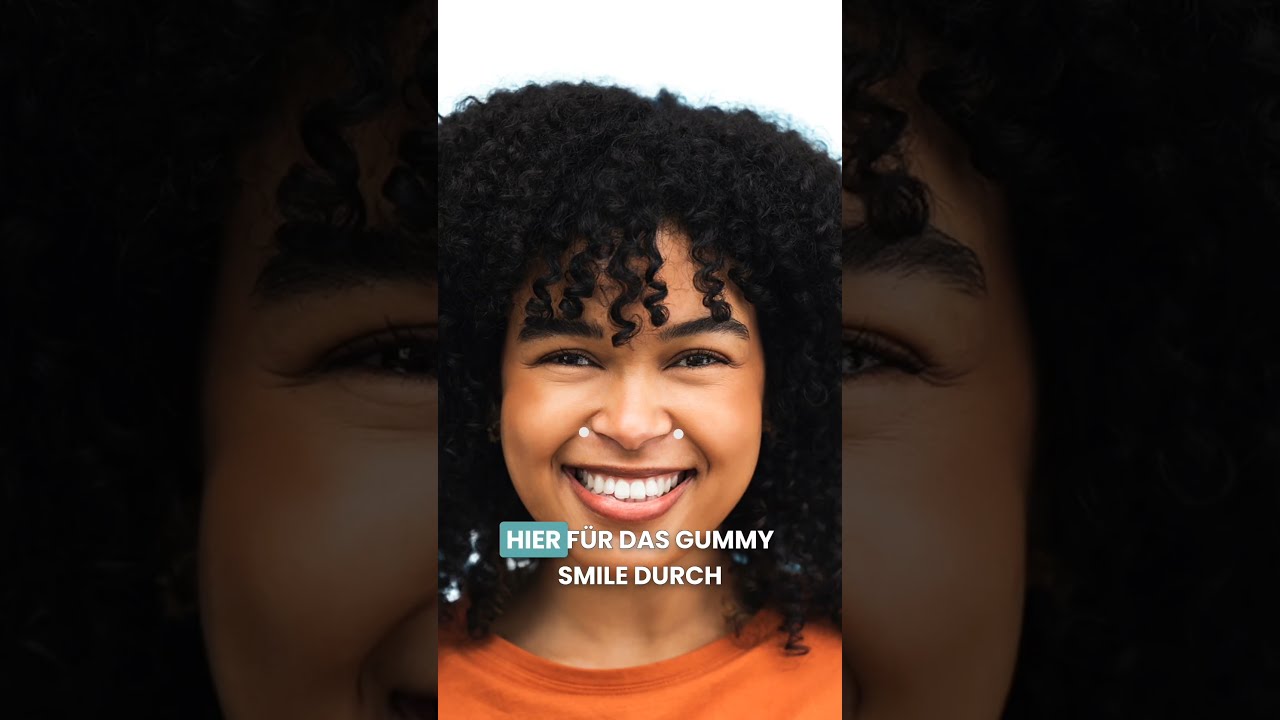
Nasolabial folds are a structural fold, not a wrinkle in the classic dynamic sense. Botox for wrinkles works best on movement-made lines. For nasolabial folds, fillers, biostimulators, or even lifting procedures address the cause. If I place botox around that region, it is usually not for the fold itself, but to balance muscle activity, for example softening a gummy smile by targeting the levator labii superioris alaeque nasi at very precise points. It can lower excessive top lip elevation and make the smile line read as smoother, without touching the fold.
The art of dosing and placement
People often ask, how much botox do I need around the eyes or nose. The answer varies by muscle strength, gender, facial size, and aesthetic goal. A man with thick orbicularis oculi might need twice the botox dosage of a woman with delicate features. For crow’s feet, a typical range is 6 to 15 units per side, divided into several microinjections that fan around the lateral eye. For bunny lines, 2 to 5 units per side is common. For a gummy smile correction, the total is often in the 4 to 8 unit range, placed conservatively.
I like a layered approach for first time botox to learn your muscle response before I commit to a full dose. That might mean starting at the low end, then inviting you back for a botox touch up at the two week mark if needed. It is easier to add than to subtract.
How fast botox works and how long it lasts
You will feel nothing immediately except tiny bumps that settle within an hour. Results begin to show after 2 to 4 days and build to a peak at around two weeks. The botox results timeline reflects how the neurotoxin blocks nerve signals to the muscle. Once the muscle has relaxed, the skin above it creases less. For most people, botox longevity in the crow’s feet region is about 3 to 4 months. Athletes and people with fast metabolism sometimes see shorter effect duration, closer to 2 to 3 months. With consistent botox maintenance over a year or two, some patients report that lines etch less deeply even between appointments, because the skin has time to remodel without constant folding.
If you are tracking your botox fading signs, look for a subtle return of movement, then deeper creasing with full-smile photos. Many people schedule a botox appointment again when they start to see dynamic lines reappear, rather than waiting until the effect is completely gone. A good touch up interval is 3 to 4 months for the eye area.
Safety, side effects, and avoiding the “frozen” look
Is botox safe for smile lines? In qualified hands, yes. The product has been studied for decades and used in medical settings far beyond aesthetics, including botox for migraine relief and botox for excessive sweating. That said, there are botox risks and side effects to consider. The most common are minor bruising, redness, or swelling at injection sites. Occasional headaches can occur. Rarely, diffusion into nearby muscles can cause asymmetry, such as a slight smile imbalance or a heavy eyelid if treatment is too close to the orbital rim. Those effects usually resolve as the botox wears off, but no one enjoys them.
Technique matters as much as dosage. The best botox results for the eye area keep the smile active but the pleats softened. I ask patients to smile during the botox session, mark the vector of their lines, then inject just outside that pattern to avoid flattening the cheek. People worry about the “frozen” look. That typically happens when too many areas are treated at once or when the injector uses a one-size-fits-all grid. Natural looking botox relies on respecting your baseline expression.
For men, the goal is often to reduce fine lines without feminizing the periocular area. Men have heavier skin and stronger muscles, so dosing and spread must be calibrated to maintain a masculine eye shape. For women, the concern is usually keeping warmth in the eyes while removing the tired look. Subtle botox is the shared objective.
What botox costs and how to think about price
Botox price is quoted either by unit or by area. Regional differences are wide, but a reasonable range in many urban markets is 10 to 20 dollars per unit. Crow’s feet treatment can require 12 to 30 units in total, depending on dosage and whether we treat both sides and bunny lines together. If you see botox deals or botox specials that seem too good to be true, ask questions. Is the product genuine? Who is injecting it? How long is the appointment slot? I have corrected many cases of bad botox that started as a bargain and ended with months of awkward smiling. It is not the place to chase the lowest number.
Patients sometimes search “botox near me” and sort by botox offers. A better approach is to research credentials, review before and after examples, and book a botox consultation where you feel the provider listens and explains. A thoughtful plan often saves money, because you avoid over-treating or stacking procedures that do not address the real issue.
Botox versus fillers, and when to use both
Botox for facial wrinkles addresses motion. Fillers address shape and shadow. Smile lines live at their intersection. When you smile, the lateral lines around your eyes and the fine lines near your mouth deepen because muscles contract. Botox helps by relaxing those muscles. But if your midface has lost volume and your nasolabial folds look carved even at rest, no amount of neuromodulator will replace the missing support.
That is where botox and fillers together can work. Softer hyaluronic acid fillers can lift the cheek slightly and take weight off the fold, while a conservative botox plan smooths the dynamic lines around the eyes. For vertical lip lines, a drop of filler plus micro botox can be better than either alone. The order matters. I prefer to do fillers first in the lower face, let them settle, then fine-tune the periocular area with botox so I can read the balance of expressions.
If you shy away from fillers, there are botox alternatives that target skin quality rather than muscle movement. Energy-based treatments like fractional lasers, radiofrequency microneedling, and light chemical peels can improve texture and etched lines. Medical-grade skincare, particularly daily sunscreen, topical retinoids, and peptides, helps preserve the results of any in-office treatment.
The procedure day and what to expect after
A standard botox procedure for crow’s feet takes about 10 to 20 minutes. I begin with photos in neutral and full smile. After cleansing, I have you smile so I can map the injection points along the lateral orbit, usually three to five sites per side. The needles used are small, and most people describe the sensation as quick pinches. If you are sensitive, a cold pack or a dab of topical anesthetic can help. For bunny lines or a gummy smile correction, the botox procedure steps are similar but with fewer injection points.
Does botox hurt? Most patients rate it as a two or three out of ten. If you are needle-averse, we adjust the pace and use distraction techniques. What not to do after botox is as important as what to do. Avoid rubbing the area, lying flat for a few hours, or doing intense workouts the same day. Strenuous exercise increases blood flow and may affect diffusion. You can work out after botox the next day without issue.
Mild botox swelling and bruising can happen, especially near the thin skin by the eyes. I schedule treatments at least a week before major events. By botox after one week, you should see clear progress. By botox after two weeks, we assess whether any small asymmetries need a touch up. If you are happy at week two, you will likely enjoy the sweet spot for another couple of months.
Subtle choices that change outcomes
A small tweak like a botox brow lift can change how smile lines read. When the lateral brow sits a bit higher, the eyelid platform looks more open, and crow’s feet do not bunch as tightly. That lift comes from selectively relaxing the tail end of the orbicularis and allowing the frontalis to lift the brow. Conversely, over-treating the frontalis for forehead lines while also treating crow’s feet can drop the lateral brow and push the skin into deeper folds when you smile. That is how botox gone wrong often shows up around the eyes: heavy brows, flat animation, and smile lines that migrate lower. The fix is simple, patience and a better map next time.
Jaw tension and masseter activity also influence how the midface moves. People with strong masseters, whether from teeth grinding or TMJ issues, sometimes pull the lower face downward and outward when they smile. Botox for jaw tension can slim the jawline over time and change the way smile lines form. It is not a primary treatment for crow’s feet, but it can support a more balanced expression.
If pore size and oiliness are part of your skin story, micro botox can improve the canvas. This technique uses diluted neuromodulator placed very superficially to reduce oil output and the appearance of enlarged pores, especially on the nose and cheeks. It does not replace standard botox for muscle relaxation but can make makeup sit better and fine lines look softer.
Planning a first visit and building a timeline
For first time botox, start with one region. If smile lines are the main concern, do the crow’s feet and bunny lines, then live with the result for a cycle. Learn your botox results timeline, how fast botox works for you, and how your smile reads. Then consider add-ons like a tiny lip flip or DAO softening if needed. The best time to get botox depends on your calendar, botox services near me but I tell patients to give themselves two to three weeks before photos or events.
How often can you get botox? Most people repeat treatment every 3 to 4 months. Some stretch to 5 or 6 months once they are steady. Long gaps do not harm you, but the lines will gradually return. Regarding botox long term use, studies have not shown cumulative toxicity at cosmetic doses, though antibodies can rarely develop with very frequent, high-dose use. If you find your effect weakening, a switch to a different brand like dysport, xeomin, or jeuveau can help. These products are all botulinum toxin type A, with subtle differences in onset and spread. Botox vs dysport is a common question. Dysport may kick in a touch faster for some and diffuse a bit more, which can be helpful or not depending on the area. Xeomin has no accessory proteins, which some clinicians prefer when concerned about antibody formation. Your injector’s comfort with a brand often matters more than the label.
Common myths and real-world facts
The myth that botox for anti aging will make you look older when it wears off persists. In reality, your face returns to baseline as the product fades. If anything, consistent reduction in repetitive folding can leave you slightly better off than when you started. Another myth is that botox can be reversed instantly. Unlike hyaluronic acid fillers that dissolve with hyaluronidase, botox does not have an antidote. If there is an unwanted effect, microdosing nearby muscles to rebalance or simply waiting while the effect wears off are the options.
The fear that botox will erase your personality stems from over-treatment. Preventative botox, or baby botox, uses small amounts targeted at early motion lines. The goal is to keep you expressive while avoiding etched-in creases later. The difference shows up in your 40s and 50s when your skin looks supple rather than crosshatched.
Preparing for your appointment and caring for results
A few small steps make a big impact. Avoid blood thinners like aspirin, ibuprofen, fish oil, and high-dose vitamin E for a week if your doctor agrees. Skip alcohol the night before. Come to your botox session without heavy makeup, and bring clear photos of your “best self,” not filtered ones, to show your aesthetic target. After, keep your head up for a few hours, and resist the urge to massage the area. Use sunscreen daily, at least SPF 30. Sun is a wrinkle accelerator, and it undermines every dollar you spend on treatments.
If you bruise, a cold compress and arnica gel can help. If you notice asymmetry at day 14, send your clinic a photo and ask for a quick botox consultation for a touch up. Communicate what you liked and what you would change. Your provider builds a map of your face over time. That is how you get consistent, natural outcomes.
When botox is not the right choice
If your primary complaint is a heavy fold from nose to mouth that sits deep at rest, think fillers, midface lifting with injectable or surgical options, or skin tightening. If skin texture and etched lines dominate, think resurfacing. If the smile lines you dislike are actually a function of facial asymmetry or tooth structure, a dental consult sometimes matters more than any injectable. I have sent patients to orthodontists when a bite issue drove a crooked smile. After dental correction, a tiny dose of botox for symmetry sealed the result.
If your expectations are incompatible with what botox can do, wait. People sometimes bring celebrity photos where the outer eye is impossibly smooth in motion. Those images are often lit, edited, and filtered. Real smiles crinkle. The best botox keeps that human signal intact.
A few practical comparisons to guide decisions
- If your lines only show when you grin and disappear at rest, botox treatment is the primary tool. If they are carved in even when you are not moving, combine botox with resurfacing or filler. If your brows feel heavy after treating the forehead, ease off the frontalis next time and rely more on treating crow’s feet, which often lifts the lateral brow subtly. If you need fast results for an event, remember that botox results show significantly by day 7 but peak at day 14. Fillers show immediately but may swell. Plan accordingly. If you are budget-sensitive, prioritize the crow’s feet. The cost-to-impact ratio is high there compared to perioral micro botox, which is subtle and technique-dependent. If you are fearful of looking overdone, start with baby botox and build over two sessions. You can always add a touch, and you will learn your botox timeline without surprises.
Final thoughts from the chair
The most satisfying transformations I see are not dramatic. They are the patient who says coworkers asked if she changed skincare, or the dad who looks less squinty in family photos. Smile lines do not need to vanish to look good. They need to soften, lift, and stop shouting. Botox for smile lines is a useful tool for that job, especially around the eyes and nose. It is less effective for the deep folds created by volume loss, where fillers and skin-focused treatments belong.
Choose an experienced injector, bring your real face to the consult, and be open to a phased plan. Respect your natural expressions. That is how you get results that read as you, only refreshed.